
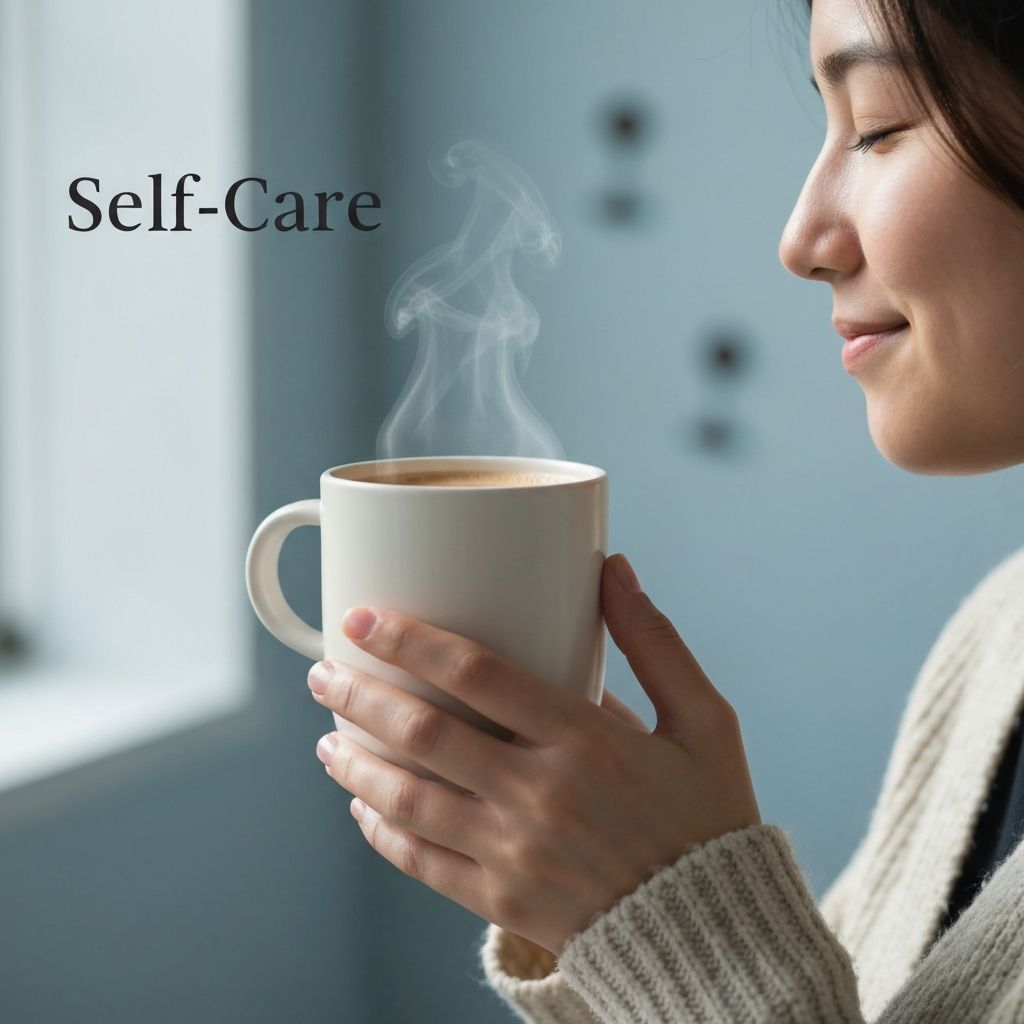
How often do you put everyone else's needs before your own? If you're a caregiver, parent, partner, or simply someone who cares deeply about others, the answer is probably "all the time." And while there's beauty in caring for others, neglecting yourself isn't sustainable—and it certainly isn't required.
Let's talk about why self-care matters, and how you can start honoring your own needs without guilt.
Self-Care Isn't Selfish—It's Necessary
You've probably heard the airplane oxygen mask analogy: put on your own mask before helping others. It's true because it's practical. When you're depleted, exhausted, or running on empty, you have less to give—to others and to yourself.
Self-care isn't about being indulgent or self-centered. It's about maintaining your physical, emotional, and mental health so you can show up for life in the way you want to.
What Self-Care Really Looks Like
Self-care doesn't have to mean spa days or expensive retreats (though those can be nice!). It's often the small, quiet acts of kindness you show yourself throughout the day:
- Taking five minutes to breathe deeply when you feel overwhelmed
- Saying "no" to something that drains you
- Getting enough sleep instead of staying up to finish "just one more thing"
- Moving your body in a way that feels good
- Eating something nourishing
- Asking for help when you need it
- Setting boundaries with people who take more than they give
Permission to Rest
Rest is not laziness. Rest is not weakness. Rest is how your body and mind recover, process, and prepare for what's next. If you struggle with guilt around resting, try reframing it: rest is productive because it allows you to function at your best.
Start Small
If self-care feels overwhelming or unfamiliar, start with just one small thing. Maybe it's:
- Drinking a full glass of water in the morning
- Stepping outside for fresh air during lunch
- Putting your phone away for 10 minutes before bed
- Writing down three things you're grateful for
Small acts of care add up. Over time, they become habits—and those habits can transform how you feel.
You Deserve Care, Too
If you're used to putting yourself last, prioritizing your own needs might feel uncomfortable at first. That's okay. Growth often does. But here's the truth: you are just as worthy of care, kindness, and attention as anyone you love.
Self-care isn't selfish. It's survival. It's sustainability. It's how you ensure that you can keep showing up—for yourself and for the people who matter most.